
How to find the best seating arrangement for your optimal seating plan
The seating arrangement plays a crucial role in the success of your event. Whether it's a conference, workshop, seminar, or social gathering, the right seating arrangement can significantly influence the atmosphere, interaction, and overall experience of your guests. In this blog post, we will explore various seating arrangements and provide you with valuable tips on how to choose the best one for your event. From traditional row seating to more innovative setups, we will guide you through the options available to create an optimal seating plan that meets your specific needs and enhances the overall ambiance of your event.
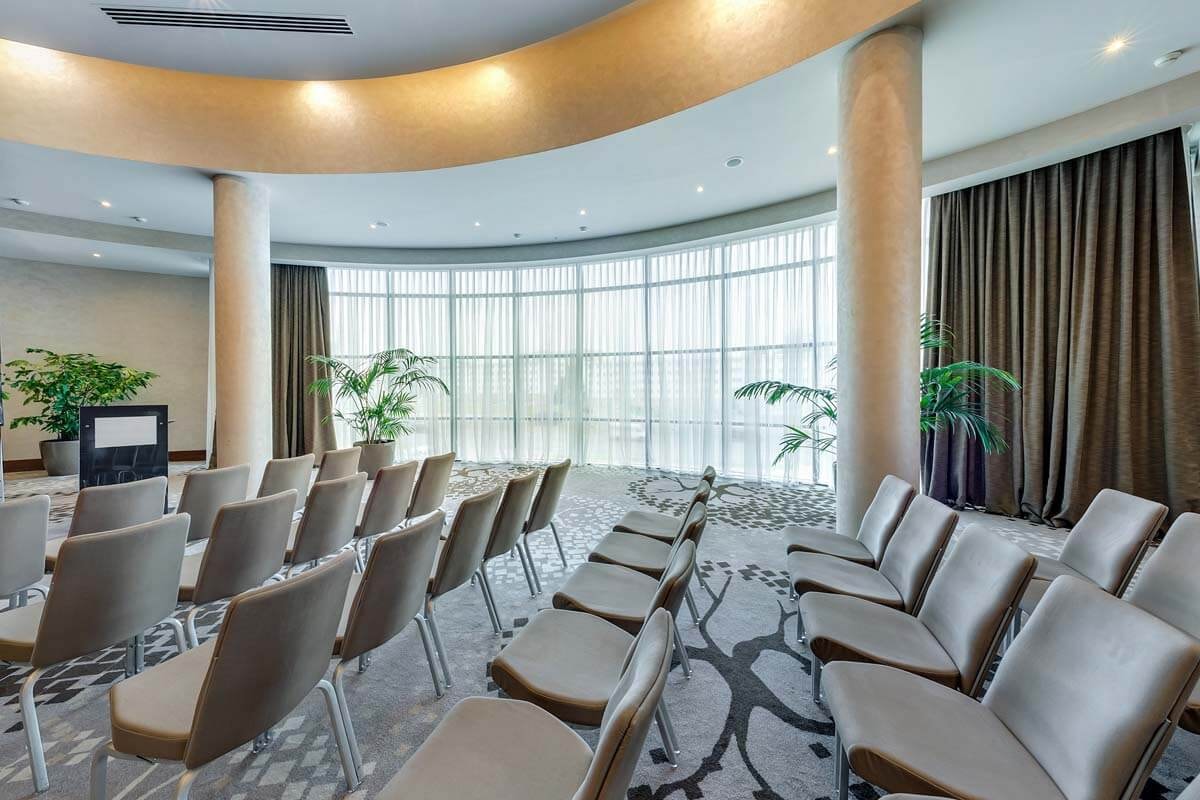
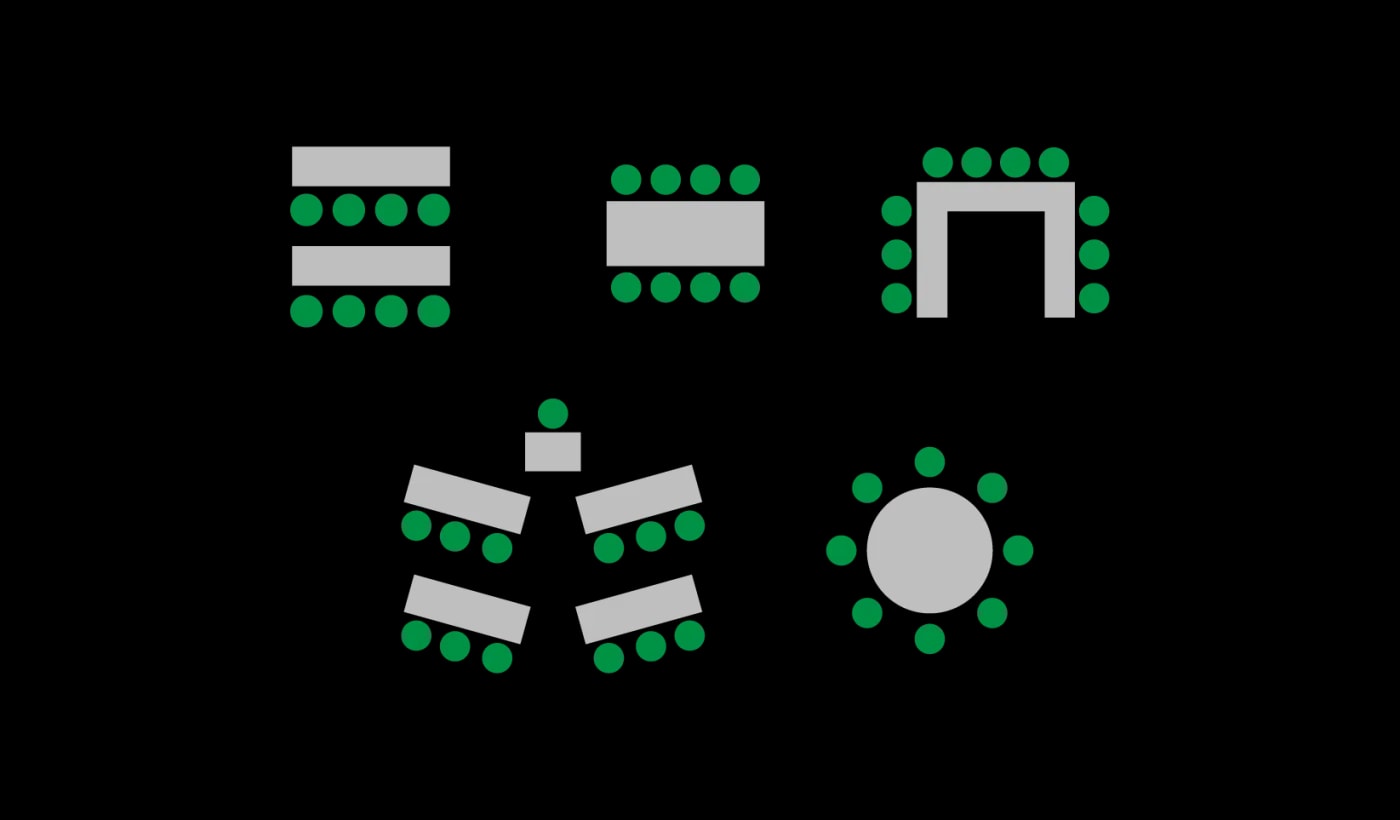
Ready for the seating plan: Flexible room design, customized seating arrangements
Hotels with extensive event expertise offer a wide range of seating options, which depend not only on the type of event, but also on the number of participants and the desired atmosphere. The seating arrangement you choose has a significant impact on the atmosphere and noticeably promotes interaction between your guests. We have compiled some of the most popular seating arrangements in hotel rooms for you and your event. After all, the harmonious arrangement of chairs and often tables is just as important as your venue. An optimal seating plan with the perfect seating arrangement helps during the planning phase and provides your guests with valuable orientation.

From seating arrangement to seating plan. A guide
Before you start planning your seating arrangements, you should consider whether a standing reception would be appropriate. The tried-and-tested bar tables generally do not require seating and also offer a welcome opportunity for guests to stretch their legs and socialize. Take this tip to heart and consider which seating arrangement is best suited to your event or project and should therefore be included in your seating plan. We have compiled the most important seating arrangements for seating plans from professionals such as Grundriss Schmiede for your information.
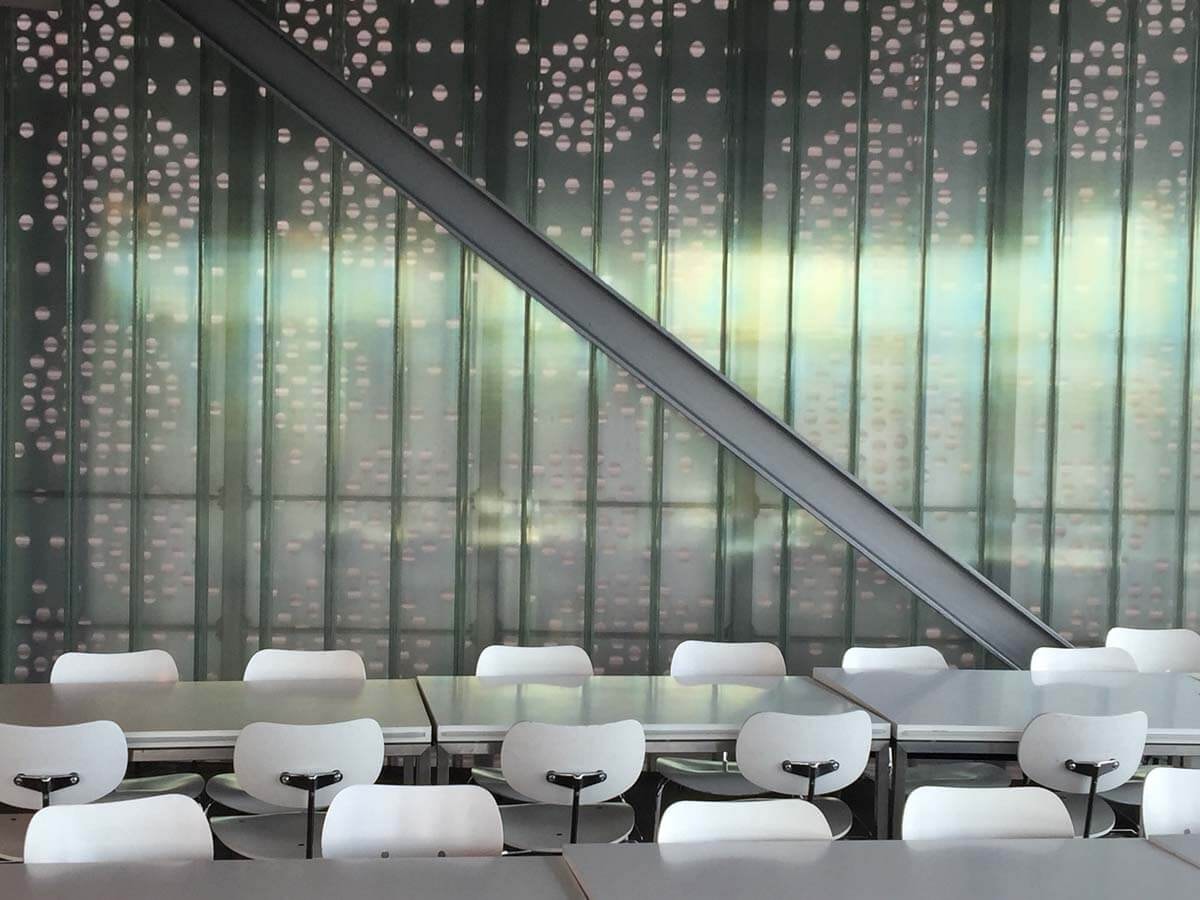
Row seating:
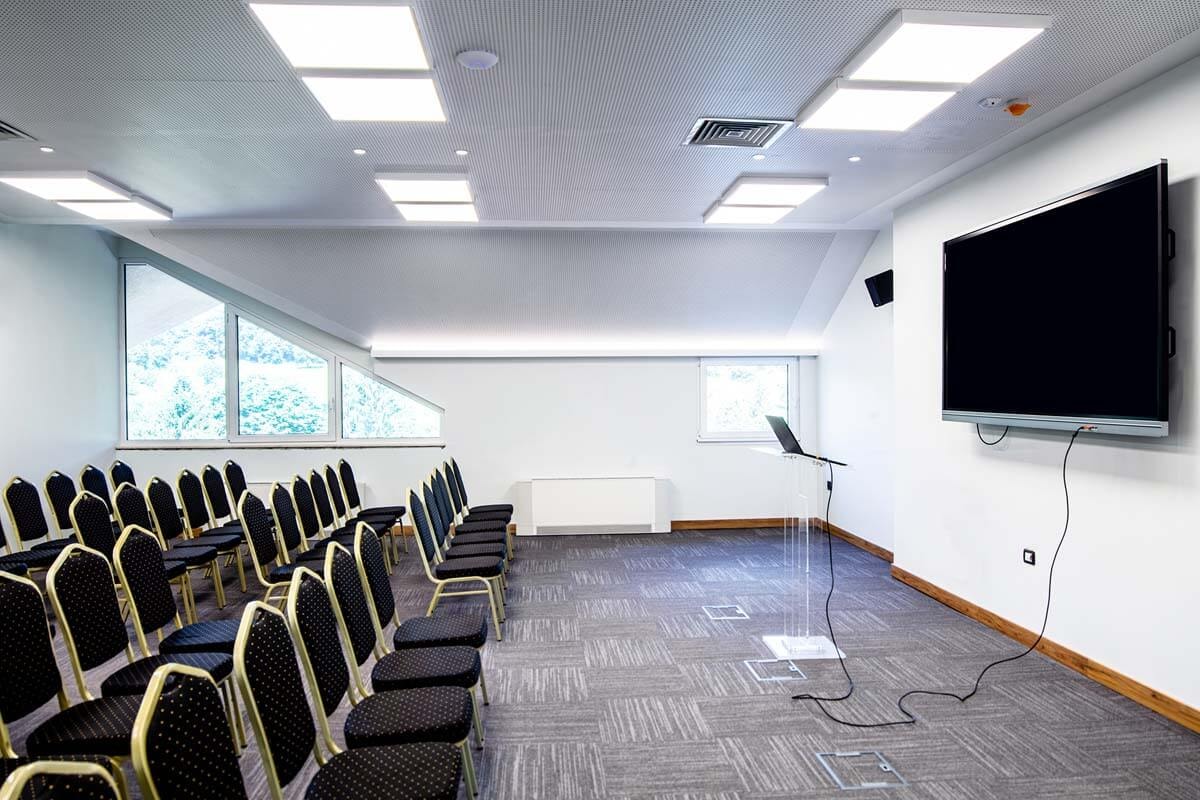
This type of seating arrangement is probably best known to most people as theater seating. As the name suggests, row seating involves arranging chairs or armchairs in straight rows, leaving an aisle between each row – similar to the layout in a theater, lecture hall, or cinema. This popular structure allows all guests to see the stage or speaker clearly. Row seating is particularly suitable for lectures, seminars, or presentations where the focus is mainly on the speaker or the presentation medium. Making maximum use of the available space ensures that as many participants as possible can be accommodated. In addition, everyone present has a good view, which promotes attention and understanding during the event.
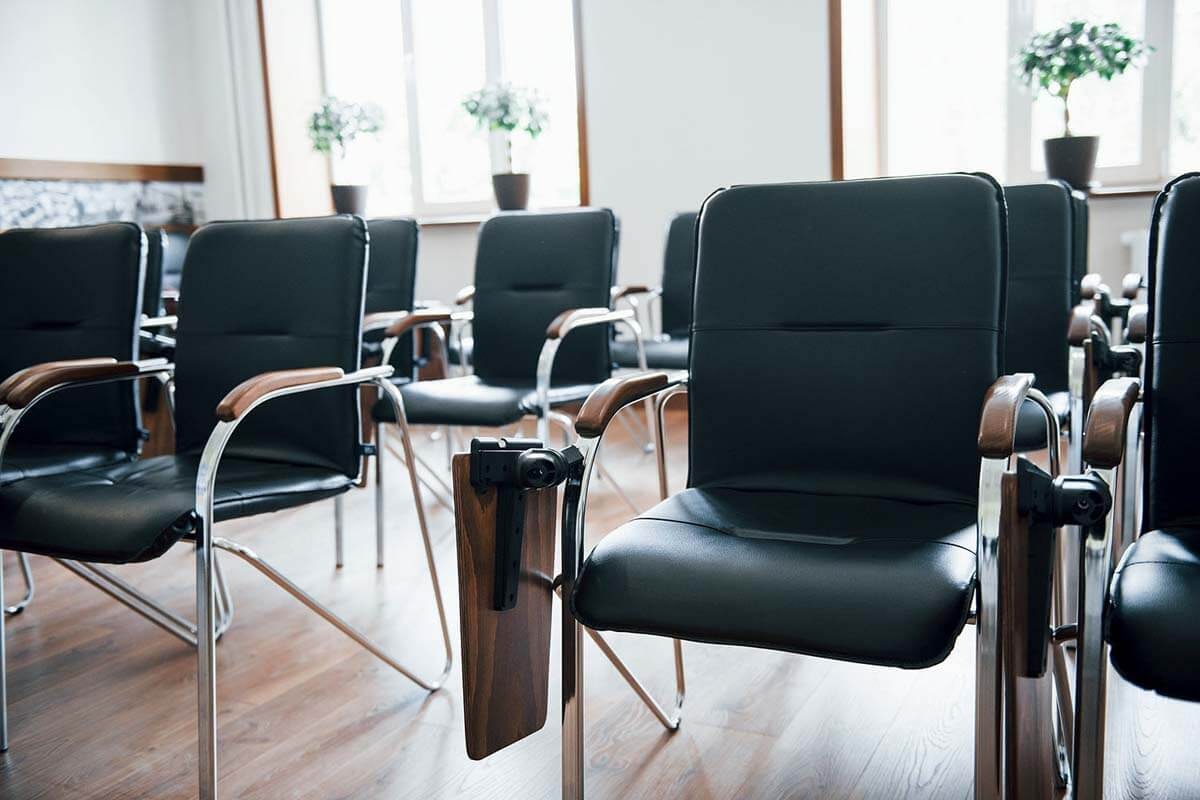
block seating
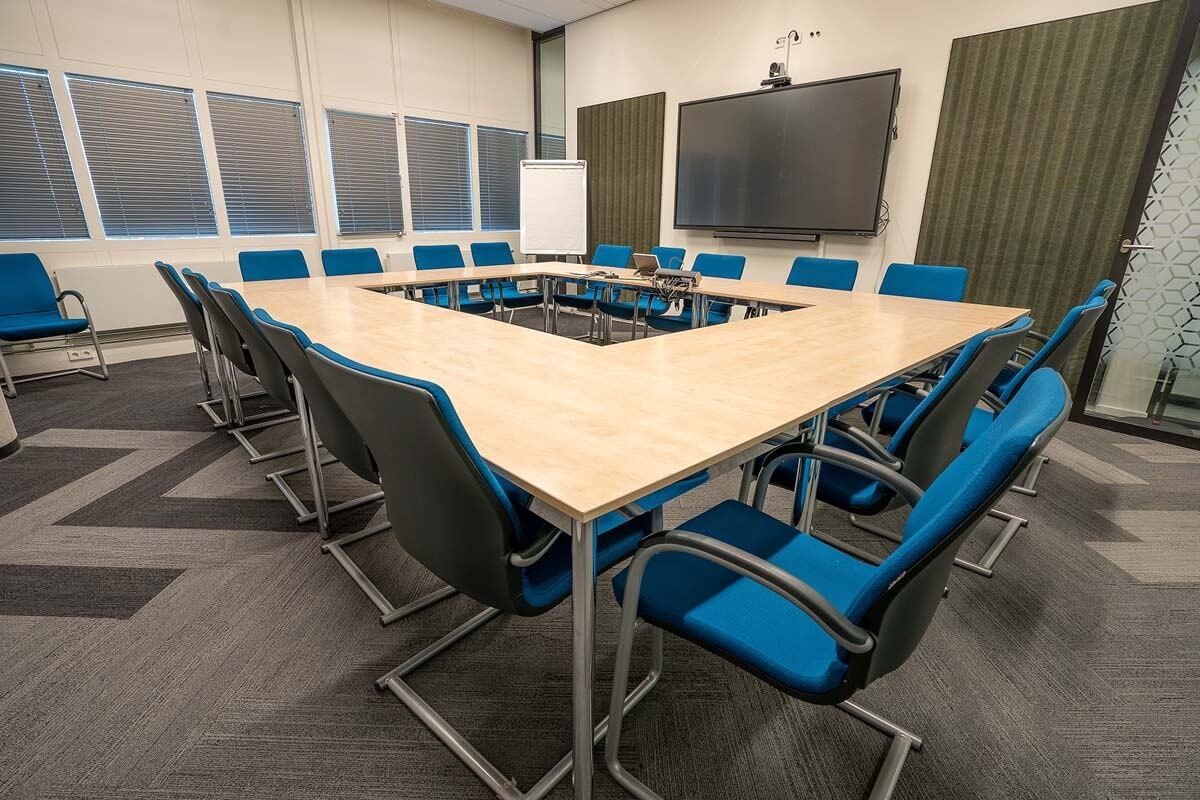
Are you looking for the ideal seating arrangement for table and chair conferences? Then block seating is worth considering. In this common seating arrangement, several tables are arranged in a rectangle or U-shape. This type of layout promotes interaction between participants, as your guests can communicate with each other directly, both visually and verbally. In hotels, this seating arrangement is the perfect solution for workshops, meetings, and group work where the exchange of ideas and collaboration are the main focus. This setting facilitates open discussions and encourages teamwork, while allowing participants to take notes and use materials at the same time. This all-rounder among seating arrangements increases the efficiency of meetings and is often found in professional seating plans.

Standing reception:
If you are looking for a particularly informal arrangement, you may opt for a combination of high standing or cocktail tables. The special feature here is that no chairs need to be provided; a few bar stools here and there are sufficient. This classic seating arrangement is perfect for receptions, networking meetings, or informal events where free movement and personal conversation are the focus. With this practical seating arrangement, you can't go wrong: you encourage conversation and interaction among your guests while saving valuable space, which can be a particular advantage in limited hotel spaces.
Classroom seating:
Don't worry, it's not back to school. With this seating arrangement, the tables are simply set up in a row. The chairs in front of them are often arranged in a U-shape or a large rectangle for the seating plan. Classroom seating is suitable for training courses or seminars where participants want to take written notes. Each participant has enough space for personal documents and notes. Tried and tested in classrooms, this seating arrangement ensures a clear view of the speaker, which promotes attention and the learning process.

Circular seating:
As if drawn with a compass, the chairs in this seating arrangement are arranged in a circle or semicircle, creating an inviting and open atmosphere. The round seating arrangement is recommended in seating plans for discussions, group work, or interactive meetings where the focus is on comprehensive exchange and conversation in all directions. In practice, this seating arrangement promotes equal communication, as all participants can participate directly in the action within the entire field of vision.

Modular seating:
This flexible seating arrangement consists of tables and chairs that you can adapt to suit your needs and the event. Modular seating is particularly suitable for multifunctional rooms that are to be used for a wide variety of event formats. This modular seating arrangement is extremely adaptable to different formats and numbers of participants and allows for creative room designs even without extensive prior knowledge. It meets numerous individual requirements, which can be identified at any time and quickly read off an optimal seating plan. A real working tool, both analog and digital.
Conclusion:
The individual choice of seating is certainly a decision that will contribute to the success of your event. When planning, therefore, the type of event, its objectives, the desired atmosphere, and the number of guests should be taken into account. Experienced hotels offer a wide range of seating options to meet your personal needs and wishes. Careful planning of the seating requires a true-to-scale seating plan. This ensures that everyone involved, including your guests, can find their way around easily.
All information has been compiled to the best of our knowledge. However, we cannot accept liability for the details.